
- 22-September-2026
- Comments (0)
Dubai Approves 80km Fourth Corridor to Improve Connectivity and Reduce Travel Times Across the UAE
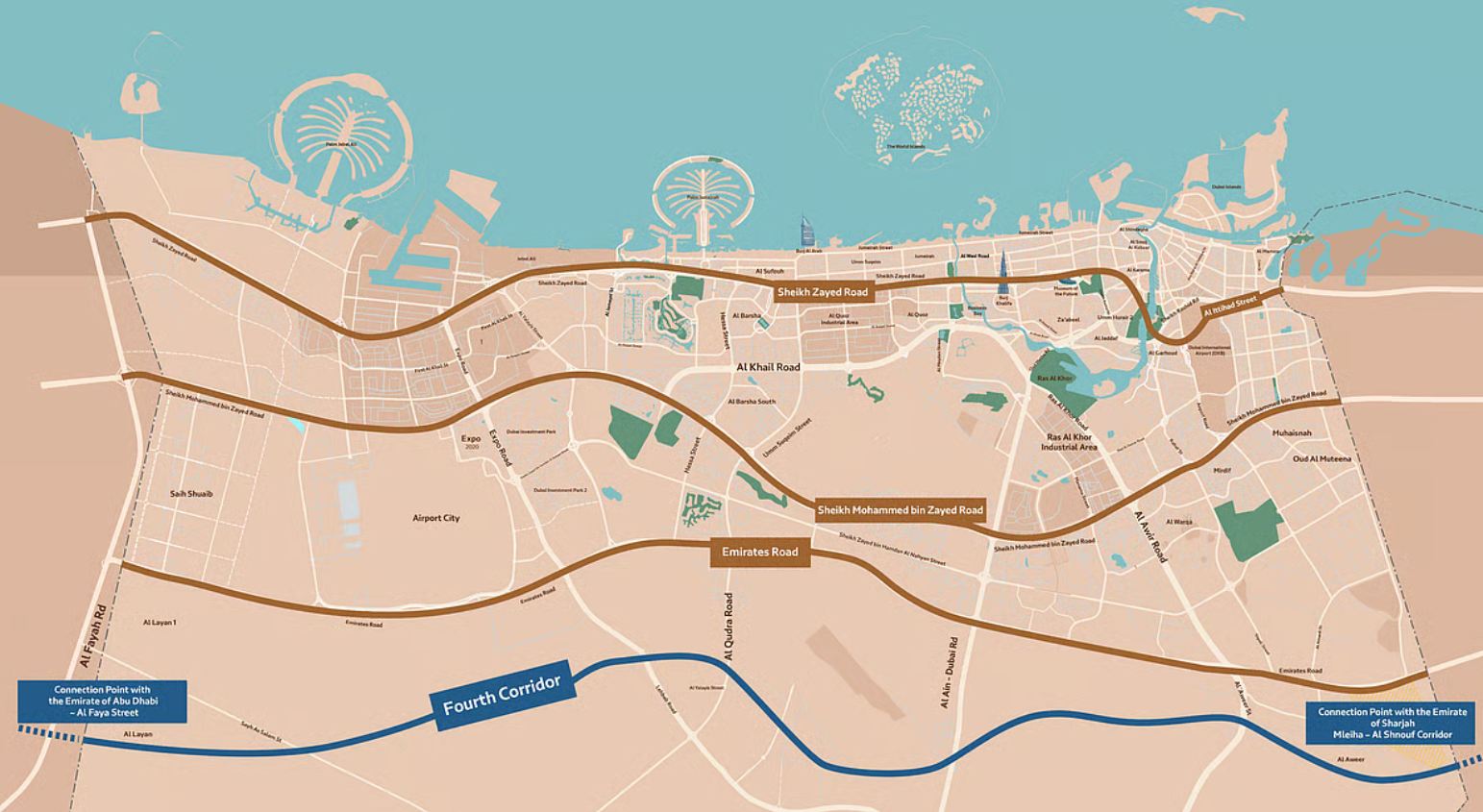
Dubai has given the green light to a major road infrastructure project designed to improve travel between the emirates and ease congestion on key routes. The new Dubai Fourth Corridor will span approximately 80 kilometres, creating a strategic transportation link between the entrances to Abu Dhabi and Sharjah while enhancing access to important logistics and transport hubs.
The first phase of the project carries an estimated investment of Dh3.5 billion and forms part of Dubai's broader efforts to expand infrastructure capacity in line with future population growth and economic development.
A Major Transport Route Connecting Key Emirates
The corridor will extend from Al Shanoof Street in Sharjah to Dubai-Al Ain Road in the direction of Abu Dhabi. Once completed, it is expected to provide a significant alternative route for commuters and commercial traffic moving between different parts of the UAE.
Authorities say the new road will help improve mobility across the emirates while supporting regional connectivity between residential, business, and industrial areas.
Designed for High Traffic Capacity
One of the defining features of the Dubai Fourth Corridor is its scale. The project includes:
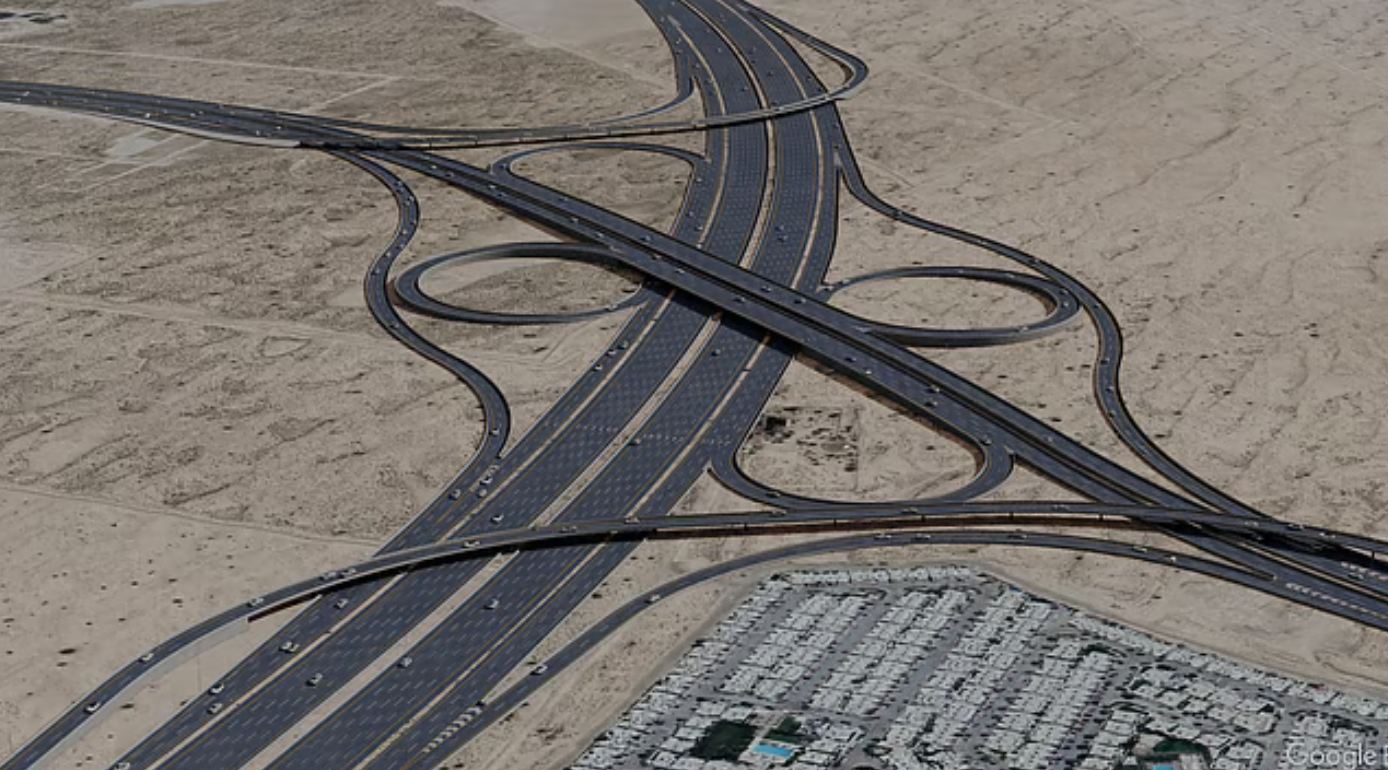
- 12 lanes in both directions
- 72 bridges
- 17 tunnels
- 45 stormwater drainage culverts
The corridor is expected to accommodate up to 24,000 vehicles per hour in both directions, providing substantial additional capacity to Dubai's growing transport network.
Officials estimate the project will benefit more than 3.1 million residents and significantly improve traffic flow along major travel routes.
Travel Times Expected to Fall by Up to 60%
A key objective of the project is reducing journey times for motorists. According to Dubai authorities, the new corridor is expected to cut travel times by as much as 60 percent, helping travelers move more efficiently between Abu Dhabi, Dubai, and Sharjah.
The additional capacity and improved road connections are also expected to reduce pressure on existing routes, supporting smoother daily commuting and freight movement.
Integration With Airport and Rail Infrastructure
Beyond road transport, the corridor is being designed to connect with other major elements of the UAE's transportation network.
Plans include links to Al Maktoum International Airport and Etihad Rail, creating stronger connections between road, air, and rail systems. This integration is expected to enhance logistics operations and facilitate the movement of both people and goods across the country.
The project is also anticipated to provide added support for commercial transportation and supply chain activities by offering a significant new route linking key economic centers.
Sheikh Hamdan Highlights Infrastructure as a Growth Driver
The project was approved by Sheikh Hamdan bin Mohammed bin Rashid Al Maktoum, Crown Prince of Dubai, Deputy Prime Minister, Minister of Defence, and Chairman of the Executive Council of Dubai.
Announcing the initiative, Sheikh Hamdan said the project aligns with the directives of Sheikh Mohammed bin Rashid Al Maktoum, Vice President and Prime Minister of the UAE and Ruler of Dubai, to continue expanding investment in infrastructure.
He emphasized that infrastructure development remains a central component of Dubai's long-term strategy, supporting economic growth, improving quality of life, and strengthening the emirate's readiness for future development.
Conclusion
The approval of the Dubai Fourth Corridor marks another significant step in the emirate's ongoing infrastructure expansion.
With its extensive network of lanes, bridges, and tunnels, the project aims to improve connectivity between Abu Dhabi, Dubai, and Sharjah while reducing travel times and supporting the UAE's broader transport and logistics ambitions.
As the project moves forward, it is expected to play an important role in accommodating future growth and enhancing mobility across the region.